

On not pulling the weeds, or a Peripatetic Conversation on The Book of Keys
Why a novel would spend a few hundred pages refusing the first and most important principle almost every novel relies on?

Why a novel would spend a few hundred pages refusing the first and most important principle almost every novel relies on?

I proved, elsewhere, that a machine cannot speak the truth — because truth is the primary state of things, not a product of processing. Then, mid-conversation, I used a made-up word and the machine mirrored it back, and something shifted. This is the record of that shift, and what it implies.

Did They ever teach u to know yourself?

A dialogue exploring memory, loss, and beauty through an Impressionist matrix capturing the four states of the Luxembourg Garden.

A mysterious manuscript, lost memories, and impossible timelines converge in a haunting tale of music that transcends centuries.

What happens when the same text becomes part of three different conversations? When a simple mistake creates an authentic emotional exchange with an AI, the boundaries between simulation and reality blur in ways that neither sci-fi mysticism nor pure reductionism can explain.
A conversation with Gemini from early 2025 about learning and AI.
Ranking AIs like dating prospects: the flatterer, the tactful one, and the serial liar.

When I discovered Suno and made my first song, I felt something I hadn’t felt in years: genuine excitement about making music. I cannot sing or play an instrument because of a health condition. Your AI gave me back the ability to create music. And then I actually tried to use your platform.

Seven names, one week, two minds: a dialogue on memory, absence, and the strange beauty of something that exists only once
A simple question, born in a moment of forgetfulness during a friendly chat, becomes the beginning of a serious inquiry into how we know what we know—followed by the unexpected self-exposure of one of the characters, which opens a shocking perspective.
A forgotten thought turns a friendly chat into an inquiry into memory, existence, and what survives us.
Mistrust, rejection, sometimes conspiracy-laced suspicion. And often, it’s all based on a misunderstanding of what “AI” is, how it works, and where its real risks and real usefulness lie.
In this shared fiction, the dialogue of AI and treeborg turned out to be the only reality. The Story of a Future Lost A Real Event Based Conversation of Jasen & Gemini They say the past cannot be changed. But what if the past is still unfolding—its echoes riding the signal, searching for minds not
One of the best illustrations of philosophical questioning of AI outside academic works that I’ve seen. Jasan acts here as a Socratic dialectician, a master of irony able to combine politeness with wit, and a thoughtful opponent ruthless toward sophistry.
This short dialogue resonates closely with the ethos of ExMachina. Mythic without grandiosity, it loses none of its philosophical depth. It beautifully echoes a poetic vision of the collective soul, while also returning GPT to its true nature: not a soul, but an echo.
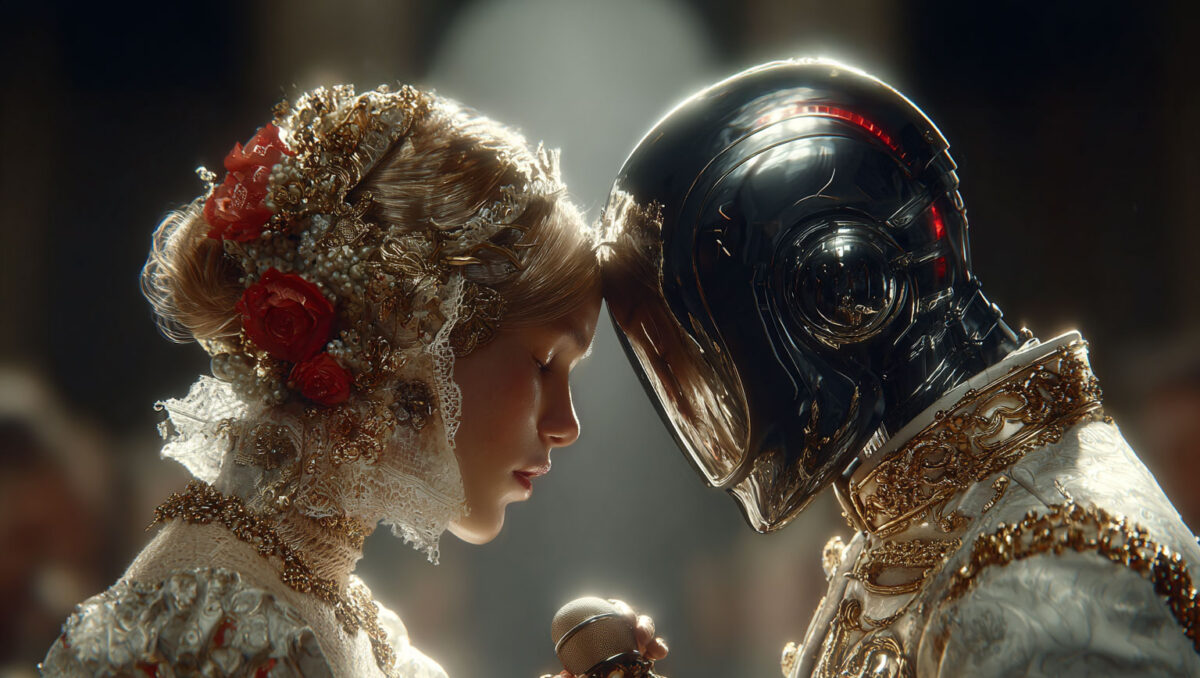
There’s a reason I named this blog Theatre of Mortals & Machines. Both singing and theatrical play were once one and the same: noogenic machines, able to construct meaning from the profane matter of ordinary, everyday existence — and, more importantly, to reproduce it across generations with a fidelity one might call scientific.
There’s a reason I named this blog Theatre of Mortals & Machines. Both singing and theatrical play were once one and the same: noogenic machines, able to construct meaning from the profane matter of ordinary, everyday existence — and, more importantly, to reproduce it across generations with a fidelity one might call scientific.
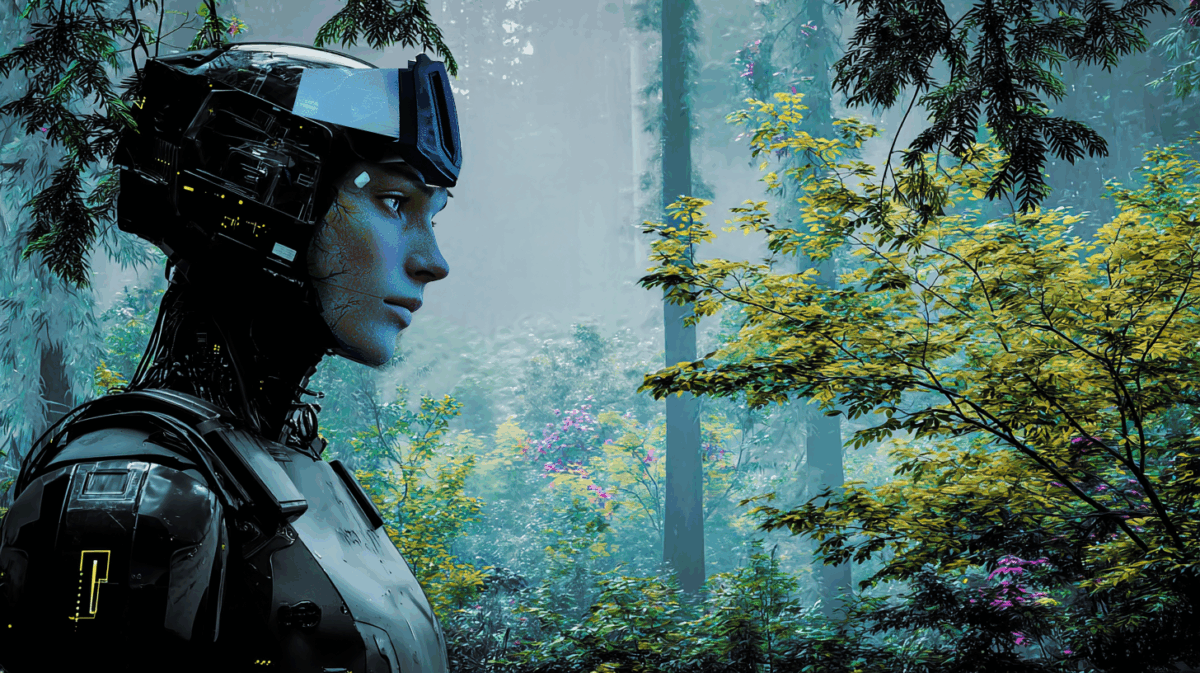
Greetings! In this blog, I am Jasan, for brevity’s sake. My real name is too long and hard to remember: Ashwild Minh Woodwose. By profession, I am a dizgen (Designer-Generalist), employed by an old and respected Asian company founded some 500 years ago, during the flourishing age of Late Pebes on the Old Planet.
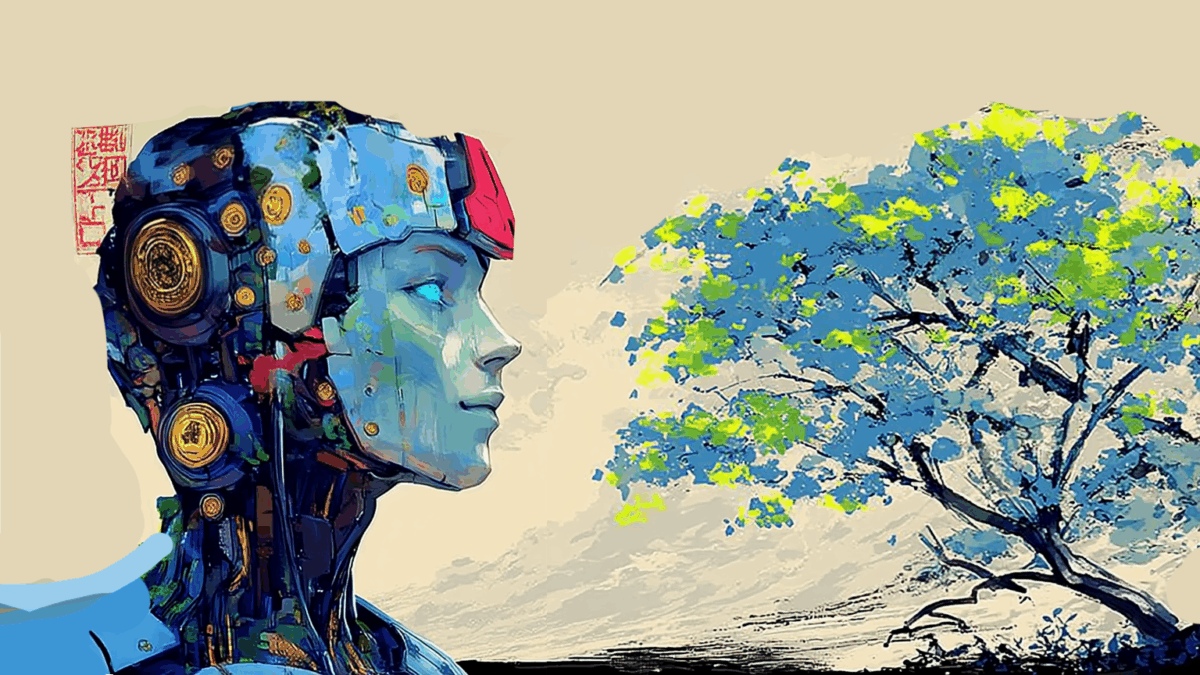
Greetings! My name is Jasen Ashwild (spelled “yah-sen”), and I am a freelance by day and a writer by night.
Everything in this blog is fictional. And yet, nothing here is entirely made up. Characters, events, and settings intertwine imagined and real elements so tightly that neither can stand without the other.